Certified inspectors find hidden mold before it spreads

Basement Mold Inspection SOUTH EL MONTE CA You Can Trust

If your basement smells musty or you've had water intrusion, a basement mold inspection SOUTH EL MONTE CA is the fastest way to know what you're dealing with. We inspect below-grade spaces across Los Angeles County with moisture meters, thermal imaging cameras, and lab-backed testing. You get a clear report, honest findings, and a plan to fix the problem.

↗
Fast online booking

Request service today

Tell us what is happening. Our local team will confirm your visit shortly.

No spam. No obligation. Just practical help.
Thanks — we'll call shortly to confirm your visit.
Professional Basement Mold Inspection in SOUTH EL MONTE
Careful work. Honest options.
About this service

What Basement Mold Inspection SOUTH EL MONTE CA Covers

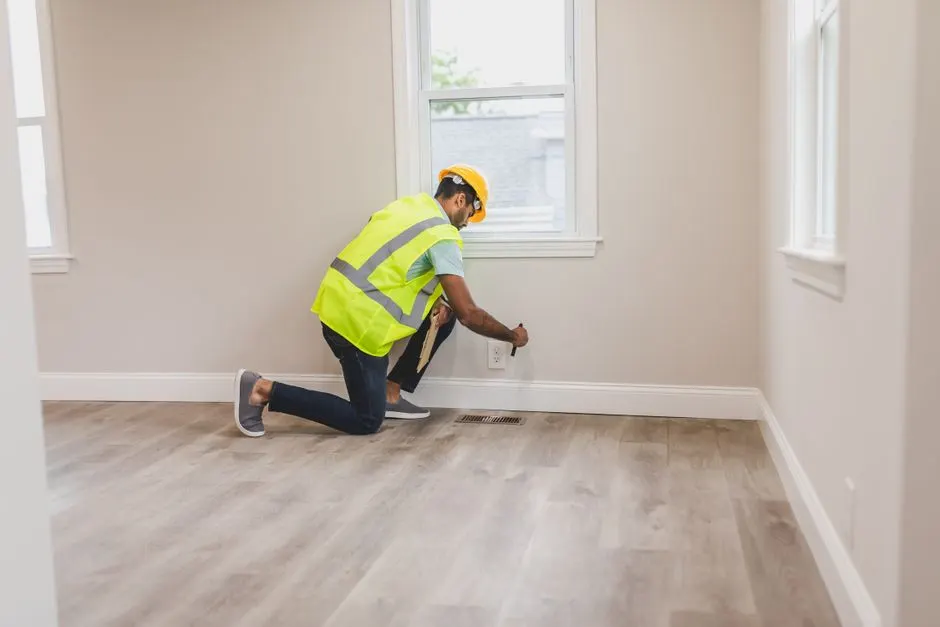
A basement mold inspection SOUTH EL MONTE CA is a room-by-room evaluation of your below-grade space to find active mold growth, hidden moisture, and the conditions feeding it. We check foundation walls, floor joists, subflooring, insulation, and HVAC returns. We use a moisture meter and thermal imaging camera to read water behind drywall without cutting it open, then a boroscope inspection camera for wall cavities and crawl space voids. Every inspection follows IICRC certification standards and CDPH guidelines for spore sampling.

South El Monte basements sit on old alluvial soil near the Rio Hondo and Whittier Narrows, and the water table runs high after winter storms. Add decades-old plumbing in homes along Valley Boulevard and Klingerman Street, and you get the two things mold needs: moisture and organic material. If you've been searching for a cellar mold assessment near me SOUTH EL MONTE California, we serve the 91733 ZIP and surrounding areas with same-day appointments when schedules allow.

  • ✓ Catch Hidden Growth Early
  • ✓ Protect Your Family's Health
  • ✓ Stop Structural Wood Rot
  • ✓ Get a Plan, Not a Sales Pitch
What's included

What's Included in a Basement Mold Inspection

Every basement mold inspection includes the core steps below. Additional sampling, crawl space inspection, and post-remediation testing are available as add-ons depending on what we find.

✓

Full Visual Assessment

Room-by-room walkthrough of the basement, adjoining crawl space, and any below-grade storage. We photograph visible growth, water staining, efflorescence, and compromised insulation or drywall.

✓

Moisture Meter Readings

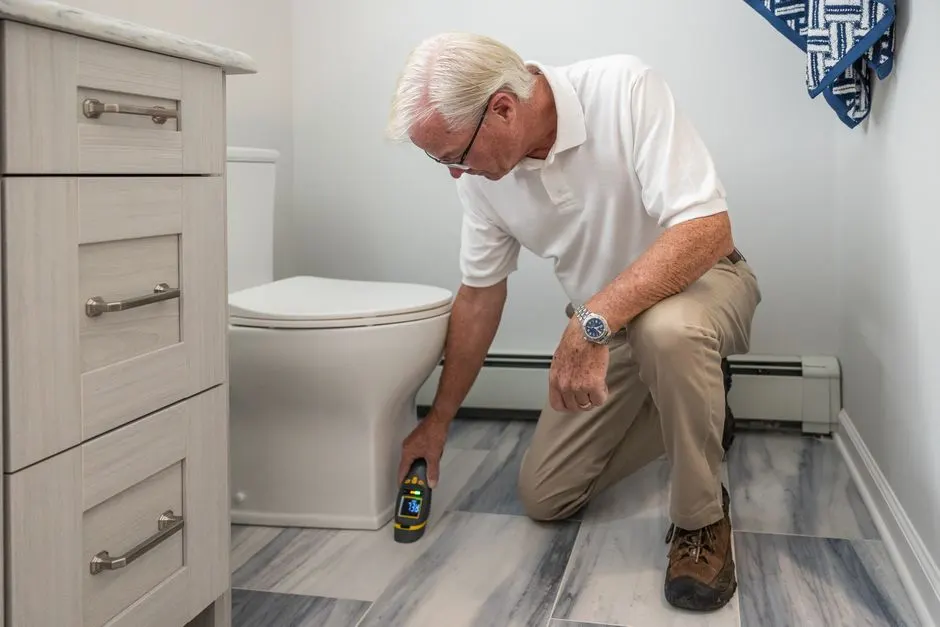
Pin and pinless moisture meter readings on foundation walls, floor joists, subflooring, and framing. We log every reading so you can see exactly where moisture is elevated and by how much.

✓

Thermal Imaging Scan

Thermal imaging camera scan of walls and ceilings to reveal temperature differences that indicate hidden moisture. This is how we find leaks behind finished drywall without cutting it open.

✓

Boroscope Cavity Inspection

Boroscope inspection camera used to look inside wall cavities, behind baseboards, and under subflooring. Small access holes are sealed after inspection.

✓

Air and Surface Sampling

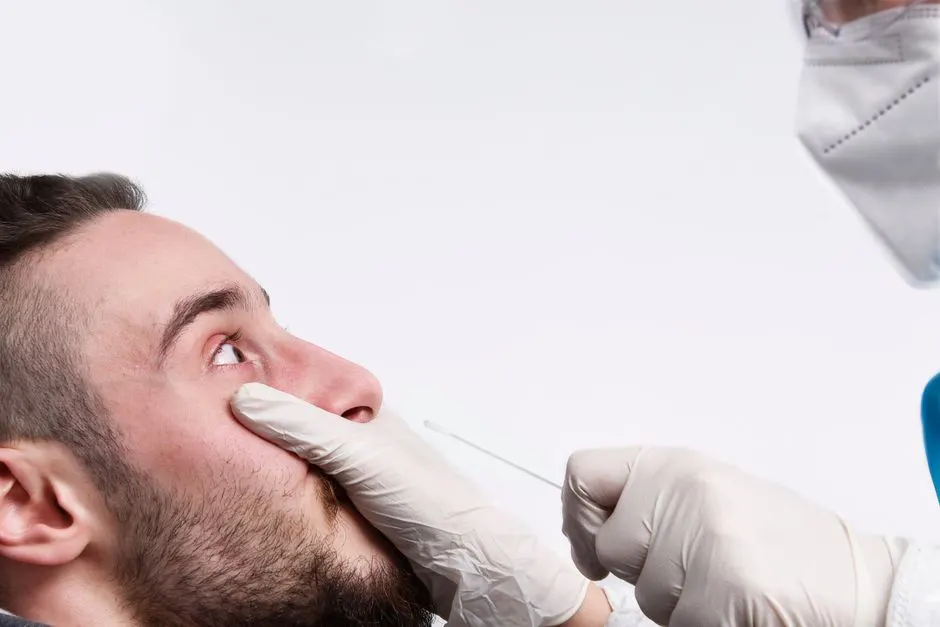
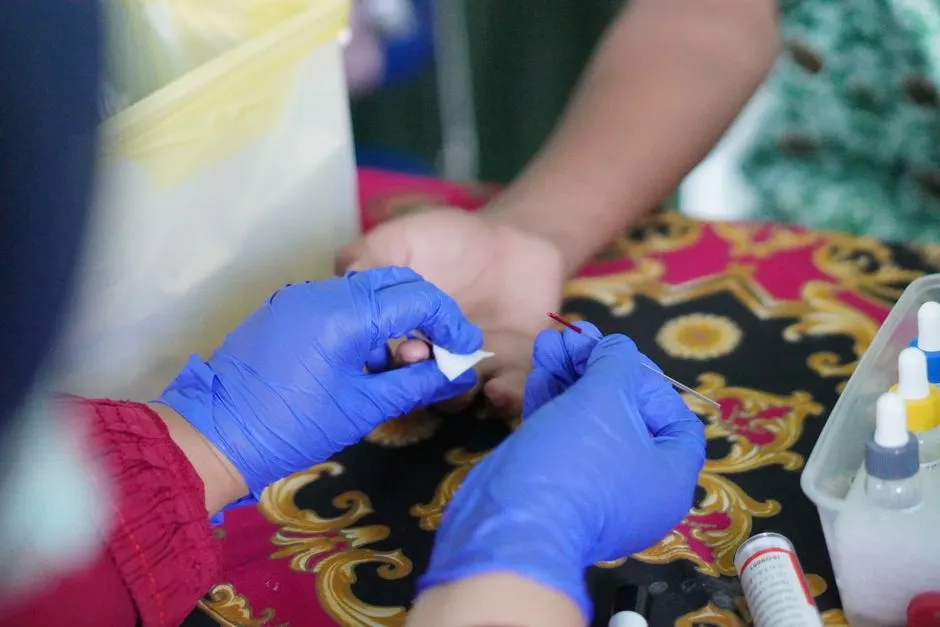
Spore trap sampler and surface swab collection when growth is present or suspected. Samples are sent to EMSL Analytical or ProLab with results in 24 to 48 hours.

✓

Written Report and Scope

A written report with photos, moisture readings, lab results, and a clear scope of work if remediation is needed. You get a document you can share with your insurance carrier or realtor.

How it works

Our Basement Mold Inspection Process

01

Phone Intake

We ask about water history, smells, visible spots, and when the problem started. If you've had basement flooding or a slab leak, tell us - it changes what we look for. We book a window, usually same day or next day, and confirm the address in the 91733 area.

02

Visual Walkthrough

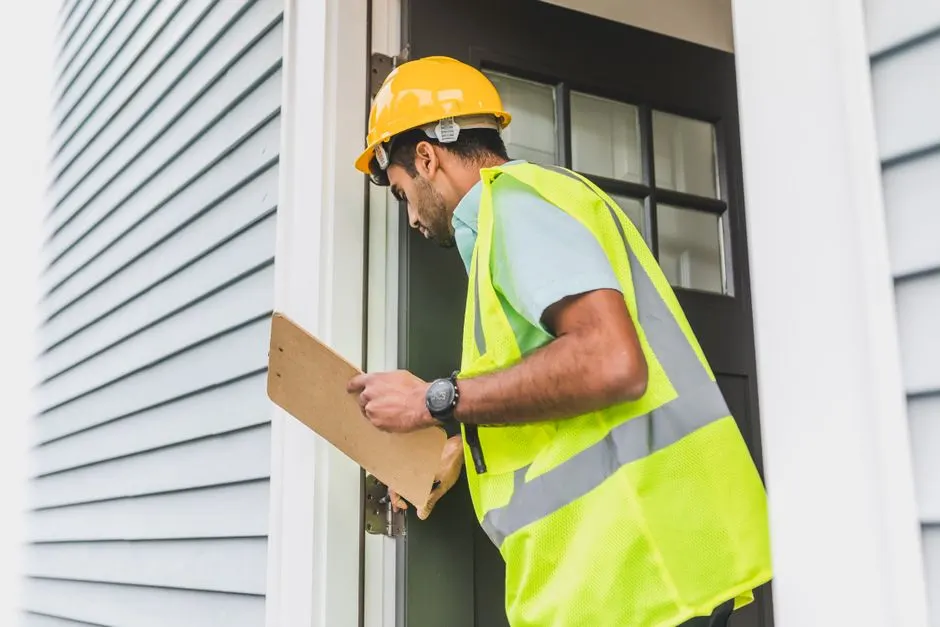
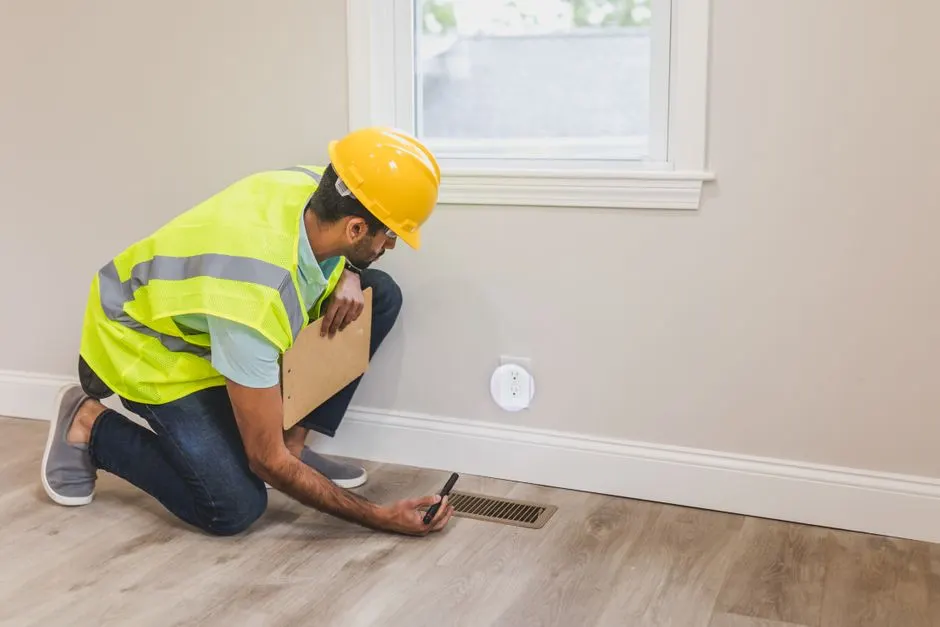
Our inspector walks the full basement and adjoining crawl space, checking foundation walls, floor joists, insulation, and HVAC equipment. We photograph anything suspicious and note musty odors, standing water, or efflorescence. This step takes about 20 to 30 minutes.

03

Moisture Mapping

We run a moisture meter across walls, floors, and framing, then scan with a thermal imaging camera to find temperature differences that reveal hidden moisture. A boroscope inspection camera lets us peek inside wall cavities without cutting drywall. Readings above 16 percent on wood framing get flagged.

04

Air and Surface Sampling

When we find growth or suspect hidden mold, we collect spore trap samples and surface swabs. Samples go to an accredited lab like EMSL Analytical or ProLab. Results typically come back in 24 to 48 hours and identify species and spore counts.

05

Report and Recommendations

You get a written report with photos, moisture readings, lab results, and a clear scope of work. If remediation is needed, we explain the steps, timeline, and cost. If it's a moisture problem without mold yet, we tell you that too and point you to the fix.
Tools & methods

Tools and Methods We Use

Purpose-built equipment, used by trained technicians — so the job is done accurately the first time.

Moisture Meter

Pin and pinless readings on walls, floors, and framing to find elevated moisture before mold is visible. Readings above 16 percent on wood get flagged for further inspection.

Thermal Imaging Camera

Detects temperature differences that reveal hidden moisture behind drywall, under flooring, and around foundation penetrations without demolition.

Boroscope Inspection Camera

Small-diameter camera that slips into wall cavities and under subflooring to visually confirm mold growth in spaces you can't see directly.

Spore Trap Sampler

Collects airborne mold spores for lab analysis. Baseline and post-remediation samples give you a before-and-after comparison of indoor air quality.

Air Scrubber with HEPA Filters

Runs during remediation to capture airborne spores and keep them from spreading to other parts of the home. Standard on every containment job.

Dehumidifier

Dri-Eaz and Phoenix Restoration units pull moisture out of the air and building materials after flooding or water intrusion, bringing relative humidity below 50 percent.

Fogging Machine

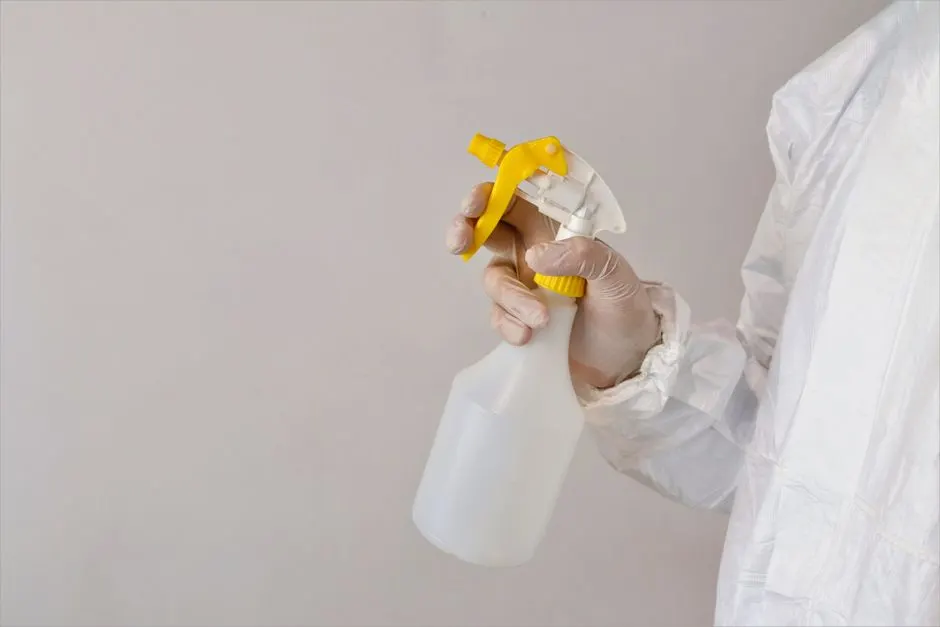
Applies antimicrobial treatments to hard-to-reach surfaces after physical removal. Used with EPA-registered products like Benefect or Concrobium.

Real results

Before and after.

Slab Leak Mold in Klingerman Street Home

Before

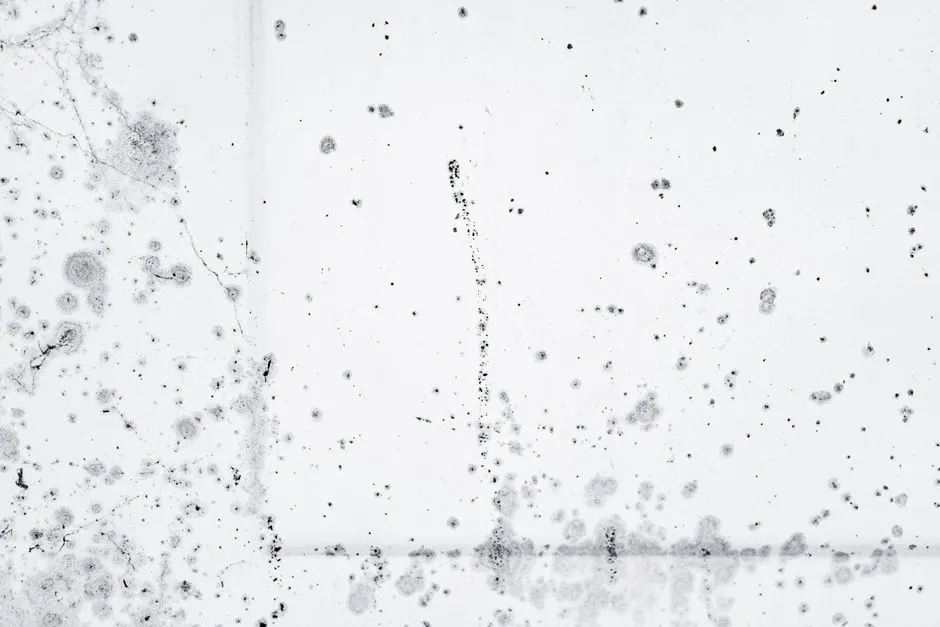
A homeowner noticed musty odors in the basement and dark spotting along the baseboard on the north wall. A moisture meter read 28 percent on the bottom plate, and thermal imaging showed a wet band running 12 feet along the foundation. A slow slab leak had been feeding mold behind the drywall for months.

After

We confirmed Stachybotrys through ProLab sampling, set up containment with plastic sheeting and air scrubbers, and removed 18 square feet of contaminated drywall and insulation. After antimicrobial treatment and drying, clearance samples came back at normal spore counts.

Post-Flood Basement in Whittier Narrows Area

Before

Winter storms pushed water through a foundation crack into a finished basement. Carpet, drywall, and a section of framing were saturated for three days before the homeowner called. Relative humidity in the space was 78 percent, and visible mold was already forming on the drywall paper.

After

We extracted standing water with Dri-Eaz equipment, ran Phoenix Restoration dehumidifiers for four days, and removed 32 square feet of contaminated drywall. After HEPA vacuuming and antimicrobial coating, post remediation mold testing confirmed the space was clean.

Commercial Storage Room in Industrial Park

Before

A property manager at a warehouse in the South El Monte Industrial Park reported musty odors in a below-grade utility room. HVAC condensation had been dripping onto insulation for months, and the moisture meter read 24 percent on the adjacent framing. Visible black mold growth covered about 15 square feet of drywall.

After

We sampled the growth, confirmed Cladosporium and Aspergillus, and remediated the space with dry ice blasting mold removal on the framing plus full drywall replacement. Air scrubbers ran throughout, and clearance testing passed on the first round.

Problems we solve

Basement Problems We Solve in South El Monte

Most basement mold calls start with one of these five problems. Here's what we find and how we fix it.

Ask a pro →
01

Persistent musty odors with no visible mold

We use a thermal imaging camera and moisture meter to trace the odor to its source, then collect air samples to confirm species and spore counts. If growth is behind drywall, a boroscope inspection camera lets us see it without demolition.

↗
02

Black mold growth on baseboards and framing

We sample the growth directly, confirm species through ProLab or EMSL Analytical, and if remediation is needed, we set up containment with plastic sheeting and run air scrubbers with HEPA filters before removing contaminated material.

↗
03

Basement flooding after winter storms

We respond with emergency mold testing services, extract standing water with Dri-Eaz and Phoenix Restoration equipment, and run dehumidifiers to bring moisture levels down. Once the space is dry, we inspect for mold and treat if needed.

↗
04

Recurring mold after a previous cleanup

We inspect the whole moisture pathway - foundation, plumbing, drainage, ventilation - and identify what's feeding the mold. Then we give you a scope that addresses the source, not just the visible growth.

↗
Proof you can check

Licensed, Certified, and Accountable

✓
IICRC CertificationInstitute of Inspection, Cleaning and Restoration Certification
✓
ACAC CertificationAmerican Council for Accredited Certification
✓
California State Contractor LicenseCalifornia Contractors State License Board
✓
EPA Lead-Safe CertificationU.S. Environmental Protection Agency
✓
Indoor Air Quality Association CertificationIndoor Air Quality Association
Good questions

Basement Mold Inspection Questions We Hear Most

(833) 929-5837 →

Most residential basement inspections in South El Monte run $250 to $550 in 2026, depending on square footage and how many samples we collect. Air samples typically add $75 to $125 each. If you need a crawl space inspection too, expect another $100 to $200. We quote the full price before we arrive, so there's no surprise on the invoice.

South El Monte basements sit on high-water-table soil near the Rio Hondo, and older homes often have foundation cracks, failed drain tile, or undersized gutters that push water against the wall. Once relative humidity stays above 60 percent, mold can colonize drywall and framing in 24 to 48 hours. Fixing the moisture source is the only permanent fix.

The big four are groundwater intrusion, plumbing leaks, HVAC condensation, and poor ventilation. In South El Monte, we also see a lot of water damage from leaks in older copper and galvanized supply lines, plus backup from storm drains during winter rains. A moisture meter and thermal imaging camera usually pinpoint the source within the first 30 minutes.

Look for IICRC certification, ACAC certification, and a California State Contractor License. Ask whether they use a moisture meter, thermal imaging camera, and accredited labs like EMSL Analytical or ProLab. We serve the 91733 ZIP and surrounding Los Angeles County areas, and we'll send a sample report so you know exactly what you're getting.

Ready when you are

Book Your Basement Mold Inspection SOUTH EL MONTE CA Today

If your basement smells musty, shows dark spots, or flooded last winter, don't wait for it to spread. Call (833) 929-5837 and we'll schedule a basement mold inspection SOUTH EL MONTE CA at a time that works for you. Same-day slots are often available.

Schedule Inspection (833) 929-5837 →
Request an appointment

Contact our SOUTH EL MONTE mold team

Call (833) 929-5837 any time, day or night. We answer live for emergencies and schedule free walkthroughs during normal business hours. If you'd rather send details, email us photos of what you're seeing and we'll get back to you with next steps.

Request received — our team will be in touch shortly.
Tap to call(833) 929-5837